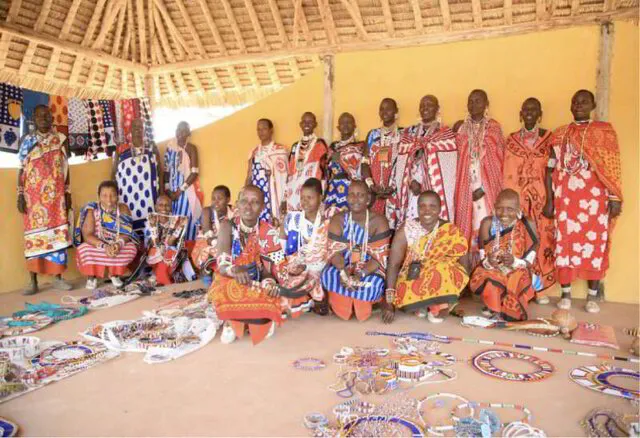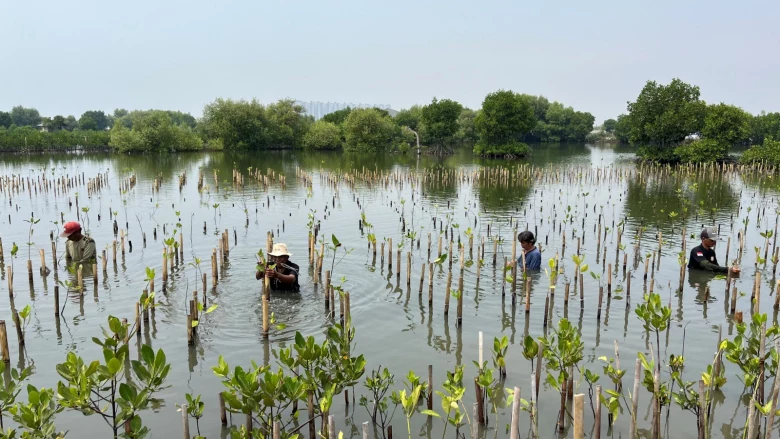
Along the tidal creeks and coastal settlements of Mida Creek, Faza, and Matondoni in Lamu County, women-led community cooperatives are transforming degraded shorelines into thriving mangrove ecosystems while creating sustainable livelihoods. These initiatives demonstrate the intersection of environmental restoration, gender empowerment, and climate resilience.
Mangrove restoration is recognized as a premier nature-based solution, providing carbon sequestration, storm protection, and biodiversity conservation. The women leading these efforts combine traditional ecological knowledge with innovative approaches to community development.
Key Initiatives
- Restoration Work: Activities include propagating and planting seedlings, monitoring growth, and promoting sustainable harvesting.
- "One Tourist, One Mangrove": An initiative where visitors contribute directly to restoration, supporting financial sustainability and awareness.
- Planeterra Partnership: A market-based collaboration where Planeterra purchases mangroves at an agreed fee, providing predictable income for nurseries.
- Eco-Tourism: Mangrove nurseries host farm tours that provide immersive ecological education for tourists and school groups.
Projected Outcomes and Impact
The following data summarizes the ecological and socio-economic benefits projected for these initiatives:
| Indicator | Projected Annual Value / Output | Notes |
|---|---|---|
| Number of mangroves planted | 50,000-60,000 seedlings | Includes nurseries and community-led planting across Mida Creek, Faza, and Matondoni |
| Carbon sequestration potential | ~1,200-1,500 tons $CO_{2}$/year | Based on average sequestration of 24-30 kg $CO_{2}$ per mature tree |
| Income from Planeterra purchases | $5,000-$8,000 | Predictable revenue supporting nursery operations and planting |
| Income from farm tours | $2,000-$3,500 | Revenue from tourists and educational visits |
| Eco-tourism & "One Tourist, One Mangrove" | $3,000-$4,500 | Includes visitor contributions and awareness programs |
| Sustainable mangrove product income | $1,500-$2,500 | From honey, poles, and other harvested resources |
| Women employed in initiatives | 40-60 | Includes nursery management, guides, and planting teams |
| Youth engaged | 20-30 | Supporting skills development and local employment |
Global Alignment
These efforts align with several Sustainable Development Goals (SDGs):
- SDG 5: Gender Equality
- SDG 11: Sustainable Communities
- SDG 12: Responsible Consumption
- SDG 13: Climate Action
By positioning women as central actors in climate action, these initiatives safeguard critical coastal ecosystems while fostering social cohesion and household resilience.