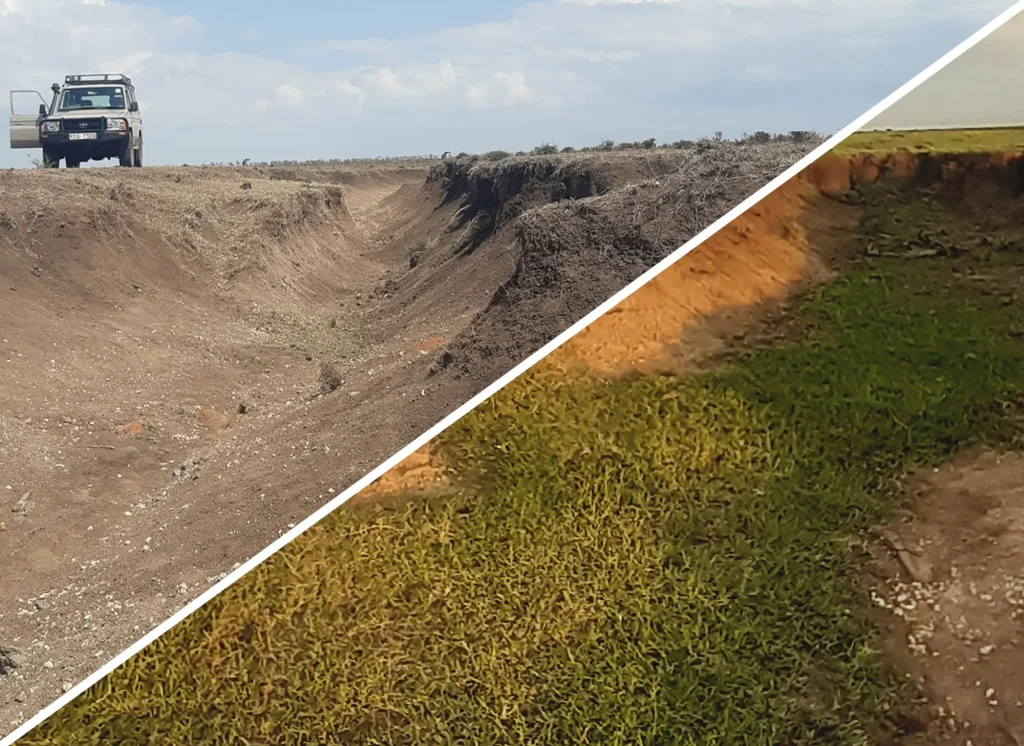
Regenerative tourism goes beyond a travel model. It restores landscapes, empowers communities, and sustains biodiversity. In Africa’s rangelands, it actively safeguards wildlife corridors, strengthens local conservation initiatives, and honors indigenous knowledge. By connecting travelers to ecosystem restoration and community stewardship, regenerative tourism ensures that landscapes are not merely preserved but enhanced.
Recent convenings in Nairobi highlighted the critical importance of connected rangelands. Policymakers, practitioners, and community leaders explored the challenges of fragmentation, climate variability, and socio-ecological pressures across pastoral landscapes. The United Nations’ recognition of rangelands as vital ecosystems underscores their global significance. Once undervalued, these lands are now understood as essential ecological infrastructure that supports biodiversity, livelihoods, and climate resilience.
Connected habitats are tangible, dynamic spaces where ecosystems and human livelihoods intersect. Fragmentation limits wildlife movement, disrupts pastoral mobility, and undermines traditional land stewardship. Integrating Disaster Risk Reduction demonstrates how connected habitats function as adaptive infrastructure, facilitating wildlife migration, supporting natural regeneration, and mitigating climate risks such as drought and resource-based conflicts.
Indigenous knowledge lies at the heart of sustainable rangeland management. Pastoral communities have long maintained ecological connectivity through mobility, seasonal grazing, and an intimate understanding of the land. Effective conservation requires blending this knowledge with formal development strategies, recognizing communities as custodians, not just beneficiaries.
Halisi champions this approach. By uniting inclusive governance, landscape restoration, and community-led regenerative tourism, Halisi transforms conservation and climate adaptation into measurable, equitable outcomes. These connected habitats become engines of resilience, benefiting both ecosystems and the people who depend on them.
The message from Nairobi is clear. Africa’s biodiversity and climate resilience are inseparable from the health of its rangelands. Regenerative tourism provides a pathway to restore landscapes, empower communities, and ensure ecosystems remain connected for generations to come.